Equipment lists
Akureyri Travel Association points out the following equipment list of tours offered by FFA.
Equipment lists are never exhaustive, they are primarily for reference.
Day trips on cross-country skis
Necessary equipment for a day trip on cross-country skis:
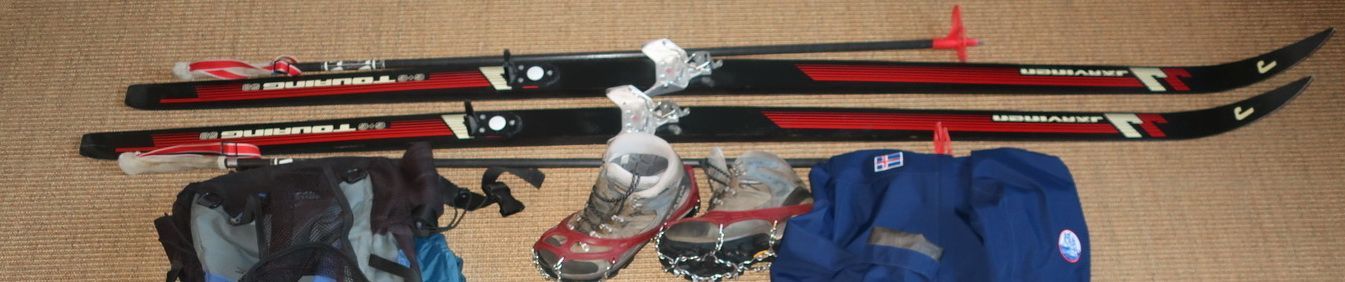
Cross-country skis and ski boots. It is best to have skis with steel edges/off-piste skis
Ski poles (make sure the strap is large enough to fit through thick mittens)
It's good to have skins for your skis.
Ski goggles, sunscreen, and lip balm
Wind and waterproof jacket
Wind and waterproof pants
Ullarnärföt
Gloves/windproof mittens
A drink bottle and some energy to nibble on, such as an energy bar (always something hot to drink)
Sunscreen and lip balm
Good to have a headlamp for longer trips
Medical supplies, heel pain patches, painkillers and other small items
Medical supplies (heel splints and other small items)
It's good to have a light coat and dry mittens (also good to have "bag mittens" to wear over others). Many people also bring a dry hat.
Cycling
Necessary equipment for a day trip on a mountain bike, e.g. e-bike tours at FFA:
A bike you're used to
Helmet
Clothing according to the weather
A windbreaker is essential and even windbreakers
Sunglasses, sunscreen and lip balm
Flightnet
A large drinking bottle and some energy to nibble on, such as an energy bar
Repair kit
Pumpkin
Slang
Vaseline
Bicycle bags or backpack
Special equipment that often makes a difference but is not necessary:
Cycling shorts, cycling jersey and cycling gloves
Hiking: 1 shoe
Light and short trips: Short day trips, 4 - 6 hours. Mostly on flat land. No or small rivers. Light daypack. Accessible to most.
Necessary equipment includes:
Good shoes intended for day trips and even walking poles.
Backpack (daypack) - good if it has a backpack cover
Sunglasses, sunscreen and lip balm
Medical supplies, heel pain plasters, elastic bandages, painkillers and other small items
Appropriate clothing, hat, mittens, protective clothing and rain gear
Water/drinks and a packed lunch for the day (including hiking snacks)
Always good to have in your backpack: Fly net, shin guards, extra socks and a buff
Hiking: 2 shoes
Moderately difficult trips: Moderately long day hikes, usually 5 - 7 hours. mostly off-trail and/or in hilly country. Backpack does not need to be heavy. No or easy rivers. Participants need to be in fairly good training.
Necessary equipment includes:
Good hiking shoes intended for day trips with good support
Walking sticks if desired
Backpack (daypack) - good if it has a backpack cover
Sunglasses, sunscreen and lip balm
Medical supplies, heel pain plasters, elastic bandages, painkillers and other small items
Appropriate clothing, protective clothing, rain gear (wading shoes if wading is required)
Water/drinks and a packed lunch for the day (it's good to have an energy-rich lunch and hiking snacks)
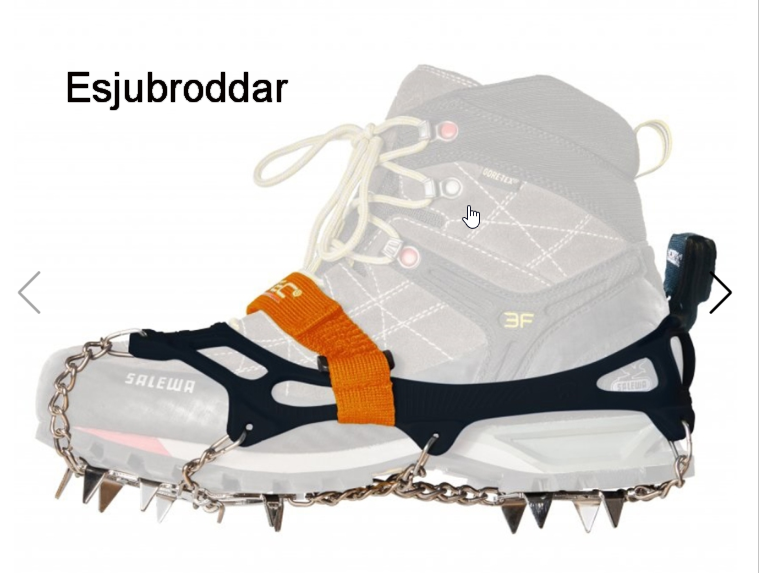
Always good to have in your backpack: Fly net, shin guards, extra socks, a buff and spikes; so-called Esju spikes should suffice for a trip like this.
Hiking: 3 - 4 shoes
Difficult trips (3 shoes): Somewhat long day hikes, 6 - 8 hours. Hiking in mountainous terrain and even loose rocks. May have to wade through difficult rivers. If you stay overnight, it is usually in houses and you will need to carry a sleeping bag.
Very difficult trips (4 shoes): Difficult and long day hikes over 10 hours. Walking with everything on your back, often in steep mountainous terrain, loose rocks and boulders. Difficult rivers can be expected. Only for people in very good training.
NOTE: Tour guide will advise if other equipment is needed.
Necessary equipment includes:
Hiking shoes that are suitable for off-trails and provide good support
Backpack (daypack) - good if it has a backpack cover
Walking sticks if desired
Sunglasses, sunscreen and lip balm, wet wipes and small plastic bags for used paper
Headlamp if you expect to walk in the dark
Appropriate clothing, protective clothing, a change of socks, a hat and mittens
Wading boots if wading is required
Medical supplies, heel pain plasters, elastic bandages, painkillers and other small items
Water/drinks and a packed lunch for the day (including hiking snacks)
Adequate amount of energy-rich snacks and drinks (depending on the length, conditions and arrangement of the trip)
Always good to have in your backpack: Fly net, leg guards, buff and light spikes, repair kit (needle, thread, small scissors), clamps
Map, compass, GPS device
Longer trips: Hiking and skiing - 2 shoes
Moderately difficult trips: Moderately long day hikes, usually 5 - 7 hours, mostly off-trail and/or in hilly terrain. Backpacks do not need to be heavy. No or easy rivers. Participants need to be in fairly good training.
A trip lasting several days often tests people's endurance more than a day trip.
Addition to the basic equipment list for 2 shoes. See the basic list here.
NOTE: Tour guide will advise if other equipment is needed.
For longer trips (1 - 4 days), in addition to basic equipment, you will need:
Walking shoes that are suitable for the conditions and provide good support
Backpack: A larger backpack if you are carrying everything on your back, otherwise a daypack. The backpack must have a backpack cover.
Slippers if staying in mountain huts
Sleeping bag (and small pillow)
Clothing to add: A change of underwear, socks, an intermediate layer, and extra clothes in case people get wet.
Small repair kit (needle, thread, small scissors)
Necessary toiletries and earplugs
Water/drinks and a packed lunch for the day (including hiking snacks)
Food and a reasonable amount of energy-rich snacks and drinks (depending on the length, conditions and arrangement of the trip)
Map, compass, GPS device
For winter trips (hiking or skiing), in addition to basic equipment, you will need:
Off-piste skis with steel edges (skin on the skis)
Safety glasses
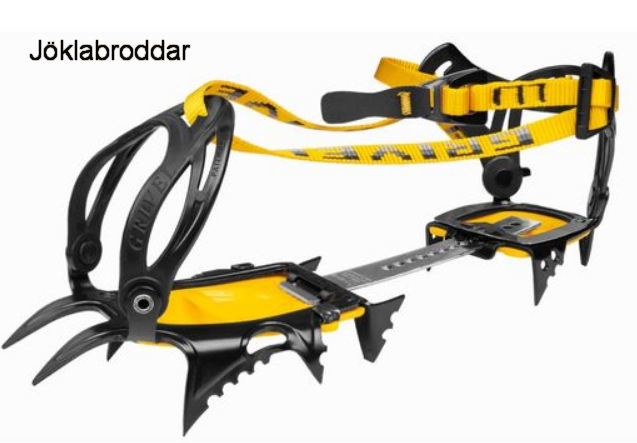
A crampon and ice axe (if the route is through steep terrain)
Warmer clothing than usual for summer trips: Wool underwear, a wool hat, wool mittens and a windproof outer layer (pants, jacket and beanie) are essential equipment.
A nutritious snack and plenty to drink (hot and cold in containers that do not freeze)
Longer trips and winter trips: 3 - 4 shoes
Difficult trips: Somewhat long day trips, 6 - 8 hours. Hiking in mountainous terrain and even loose rocks. May have to ford difficult rivers. If you stay overnight, it is usually overnight and you will need to carry a sleeping bag.
Very difficult trips: Difficult and long day hikes over 10 hours. Walking with everything on your back, often in steep mountainous terrain, loose rocks and boulders. Difficult rivers can be expected. Only for people in very good training.
Addition to the basic equipment list for 3 - 4 shoes. See the basic list here:
NOTE: Tour guide will advise if other equipment is needed.
For longer trips (1 - 4 days), in addition to basic equipment, you will need:
Hiking shoes that are suitable for demanding off-trail conditions and provide good support
Backpack: A larger backpack if you are carrying everything on your back, or a daypack. The backpack must have a backpack cover.
Sleeping bag (and small pillow)
Slippers if staying in mountain huts
Extra clothing: A change of underwear, socks, an intermediate layer, and extra clothes in case people get wet.
Necessary toiletries and earplugs
Water/drinks and a packed lunch for the day (including hiking snacks)
Food and a reasonable amount of energy-rich snacks and drinks (depending on the length, conditions and arrangement of the trip)
For winter trips (hiking or skiing), in addition to basic equipment, you will need:
Off-piste skis with steel edges (skin on the skis)
Safety glasses
Ice axe and crampon if the route is steep. The tour guide will let you know if you need one.
Warmer clothing than usual for summer trips: Wool underwear, a wool hat, wool mittens, and a windproof outer layer (pants, jacket, and beanie) are essential equipment.
A nutritious snack and plenty to drink (hot and cold in containers that do not freeze)
A few days of religious travel with FFA - good advice
On a religious trip, luggage is transported between overnight stops, so only the necessary equipment for one day at a time needs to be carried in a lightweight daypack. Food, sleeping bag, extra clothing, and other belongings are packed into a religious bag and transported to the overnight stop.
While you don't have to cut back on all your gear on a religious journey like you would when you're carrying everything on your back, it's still necessary to pack sparingly. There is usually limited space in religious vehicles and boats, and packing needs to take that into account.
The list published on the FFA website is for reference only and each person decides what goes in their daypack and what goes in their religious baggage. The final equipment depends on personal needs and the length of the trip.
FFA cabins have cooking facilities and food containers as well as a toilet or chamber.
A pilgrimage of several days: Equipment list
Necessary equipment includes:
Hiking shoes that are suitable for off-trail use and provide good support
Backpack (daypack) with backpack cover
Walking sticks
Sunglasses, sunscreen and lip balm
Headlamp if you expect to walk in the dark and for use in the cabin
Appropriate hiking and protective clothing, hat and mittens
Medical supplies, heel pain plasters, elastic bandages, painkillers and other small items
A drinking bottle, water/drinks and a packed lunch for the day (including hiking snacks)
Adequate amount of energy-rich snacks and drinks (depending on the length, conditions and arrangement of the trip)
Always good to have in your backpack: Fly net, shin guards, buff, socks, spikes; so-called Esju spikes should be enough for a trip like this
Wading boots if it looks like you'll have to wade.
Slippers if staying in mountain huts
Clothing to add: A change of underwear, socks, an intermediate layer, and extra clothes in case people get wet.
Essential toiletries
Food for the entire trip and a reasonable amount of energy-rich snacks and drinks (depending on the length, conditions and arrangement of the trip)
Compass, map and/or GPS device
Thermos with cocoa, tea or coffee
Camera and spyglass
Toilet paper, wet wipes, and small plastic bags for used paper
Sleeping bag (and small pillow)
A shirt for changing and sleeping in
Small towel
Earplugs
Small repair kit, needle and thread, string and clips