Environmental policy
The Tourist Club of Akureyri (FFA) Environmental Policy
Work will be carried out in accordance with Local Agenda 21 in Iceland, which is a project plan in the spirit of sustainable development.
The following factors will be taken into consideration:
- Emphasis will be placed on maintaining the beautiful and tidy appearance of the FFA pavilions and their surroundings, and future development in the areas will fit in well with the appearance that characterizes the locations today.
- Emphasis will be placed on the protection of natural and cultural heritage.
- Environmentally friendly practices are promoted with an emphasis on keeping pollution, energy consumption and waste of valuables to a minimum.
- FFA's cabins are a family-friendly community where the emphasis is on ensuring that all guests feel comfortable in a vibrant and fun environment.
- Compliance with applicable laws and regulations regarding environmental matters and other requirements that have been agreed to be met.
- Path markings will be planned in accordance with the nature of the site and as inconspicuous as possible in the landscape.
- The environmental policy and its implementation will be visible to stakeholders and the public, and will serve as an incentive for others to contribute to protecting the environment for future generations.
Objectives and methods:
The FFA halls and their surroundings will always be known for their beautiful appearance and cleanliness.
- We will work systematically to keep the immediate environment tidy and maintain the good condition of structures.
- Old buildings should be given a new role when previous activities close down, if possible.
- New buildings fit well into the environment and are located in locations that do not clash with the overall appearance of the site.
Nature conservation and the protection of cultural heritage will be an important part of FFA's activities.
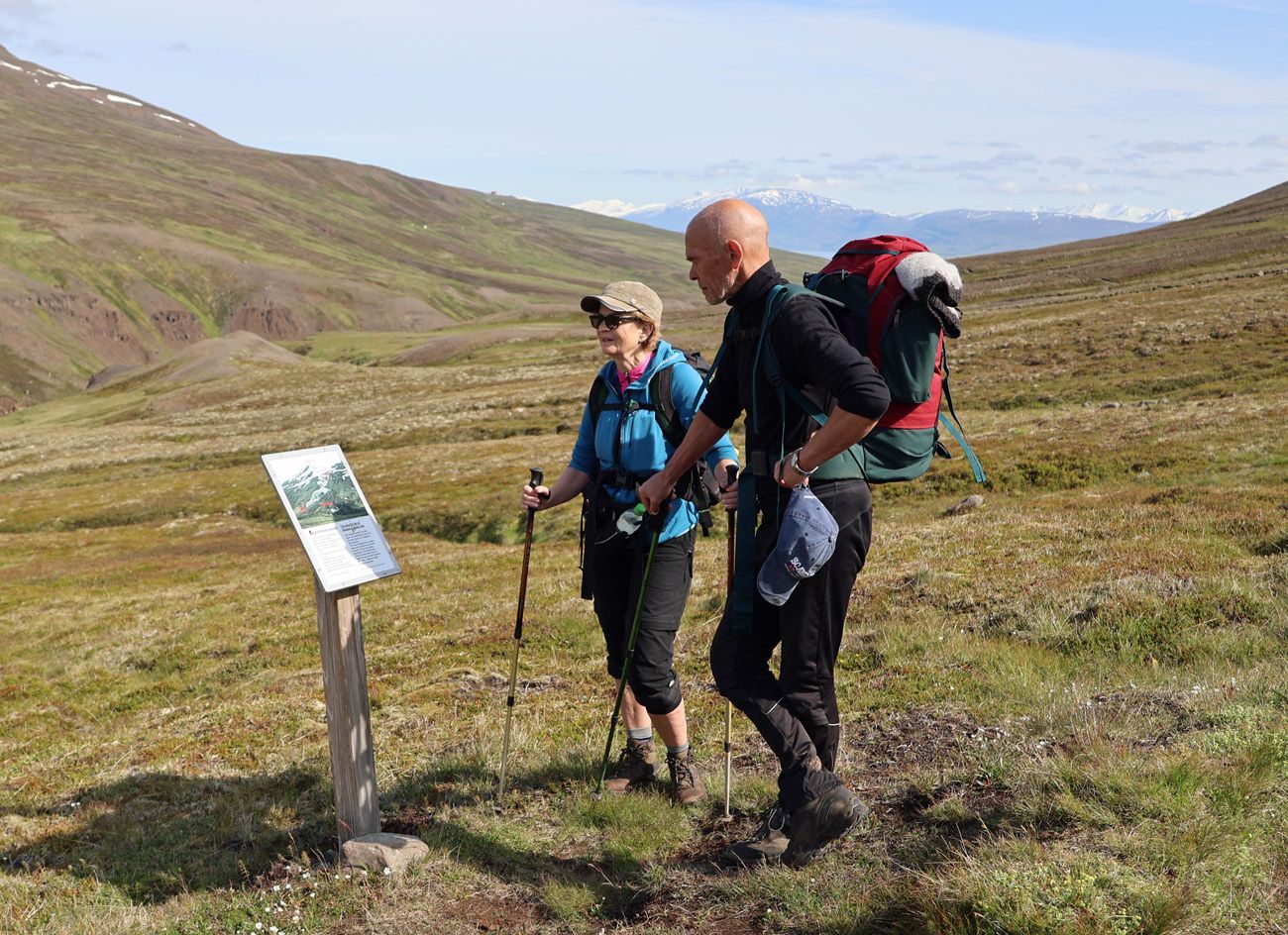
- Trail markings will be organized and shown on maps and maintained at places where it is possible to walk or view monuments.
- Pressure on vegetation where walking is done should be monitored and destruction or further disruption of plant communities should be prevented, for example by creating footpaths.
- Collaboration with institutions working on the protection of natural and cultural heritage, such as the Environment Agency, Vatnajökull National Park, Land Reclamation, Land Conservation and the National Museum, will continue to be active.
Promote awareness of environmental issues among staff and guests.
- Recorded information about natural and cultural heritage sites will be made accessible and visible to staff and visitors.
- Through organized education, visitors will be informed about the activities that take place in Herðubreiðarlindur Dreki, Laugafell and other areas of FFA.
Reduce pollution, waste and energy consumption.
- Keep sewers from cabins in good condition.
- Handle and dispose of toxic and hazardous materials properly.
- Encourage guests to reuse and recycle valuables, thereby reducing waste.
- Reduce paper use with an emphasis on recycling.
- Reduce energy consumption by not turning on electrical appliances or lights when not necessary.
In a family-friendly society, good living conditions and well-being should be paramount.
- Make the nature, history and culture of the place accessible and exciting for everyone, for example through organized outdoor recreation areas, hiking, games or other recreation.
- Increase the safety of children and others by reducing the risk of accidents.
- Encourage employees to have a positive impact on their immediate environment and see results grow through their work.